Why Electronics Recycling Services Ensure Environmental Safety
Green Initiatives: How E-Waste Recycling Services Are Protecting Our Planet
Electronic waste presents serious dangers to the environment, as disposed electronics frequently harbor hazardous substances. These toxic materials have the potential to taint soil and water sources, causing extensive damage to surrounding ecosystems. E-waste recycling initiatives provide a practical answer. They successfully retrieve useful resources while simultaneously minimizing environmental pollution. Understanding how these services operate and their impact on communities is essential. The path to successful electronic waste management prompts vital discussions about personal accountability and communal efforts. What actions should be considered going forward?
Why E-Waste Is Bad for the Planet
Although technology enhances modern life, e-waste creates significant environmental threats. Discarded electronic devices, often containing toxic substances including cadmium, lead, and mercury, can leach toxins into groundwater and soil, posing risks to ecosystems and human health. The swift progression of technology leads to higher rates of electronics disposal among consumers, worsening the buildup of e-waste.
Landfills, already overwhelmed with refuse, find it difficult to handle the increasing amounts of discarded devices. Incineration, a common waste management technique, emits dangerous pollutants into the environment, degrading atmospheric conditions. Moreover, poor recycling procedures can cause e-waste to be sent to developing regions, where employees may disassemble electronics without sufficient safety precautions, leaving them vulnerable to harmful substances. This pattern of negligence and mismanagement highlights the critical demand for eco-friendly recycling alternatives that can reduce the damaging impact of electronic waste on the environment.
What Is E-Waste and Its Importance?
Electronic waste, commonly known as e-waste, encompasses unwanted electronic equipment like smartphones, computers, and televisions that have reached the end of their useful life. This increasingly prevalent form of waste is important due to its rapid accumulation, fueled by innovation in technology and shifting consumer habits. As growing numbers of electronics become outdated, the environmental impact intensifies, with toxic materials such as lead, mercury, and cadmium threatening both ecosystems and public health.
Addressing e-waste is crucial not only for reducing these dangers but also for acknowledging the precious materials found within it. Critical metals and rare earth components can be reclaimed and recycled, decreasing the reliance on mining and protecting natural resources. Through a deeper awareness of e-waste and its consequences, both individuals and organizations can make well-informed choices regarding disposal and recycling, thereby supporting a more sustainable future. Proper management of e-waste is essential for fostering a circular economy Visit here and promoting environmental stewardship.
The Way E-Waste Recycling Functions
Recycling e-waste involves a systematic process intended to extract beneficial components while minimizing environmental impact. At the outset, e-waste is collected and transported to dedicated processing centers. Upon arrival, the equipment is meticulously organized to isolate dangerous parts from recoverable materials.
After this step, workers break down the devices, recovering metals, plastics, and glass. This phase is essential, as it makes possible the reclamation of rare metals like gold, silver, and copper, which can be reused in new electronic devices.
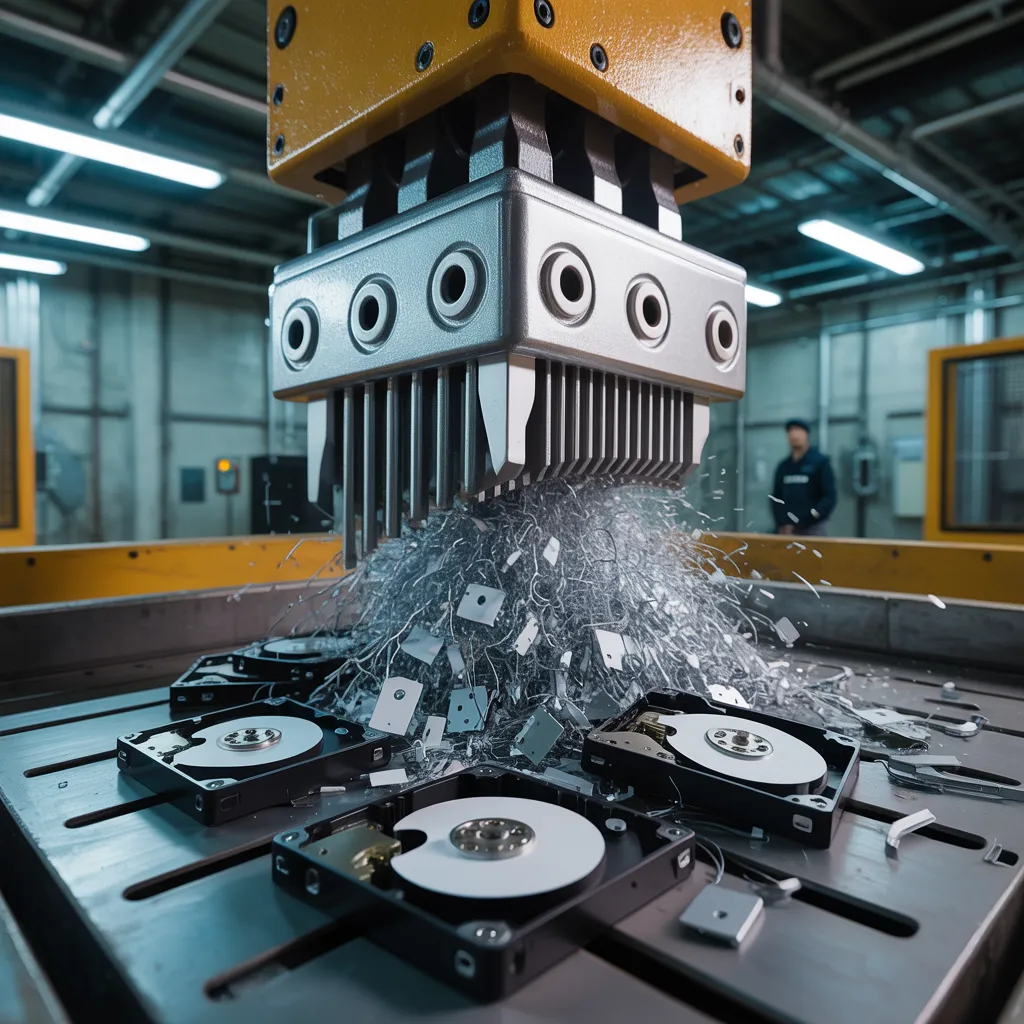
Subsequently, the isolated materials are treated through sophisticated techniques, such as mechanical shredding and chemical processing, to prepare them for recycling.
Finally, the residual dangerous materials are managed properly, adhering to environmental guidelines. This comprehensive process not only preserves valuable resources but also reduces the dangers connected to irresponsible electronic waste disposal, guaranteeing a greener future for electronic device usage.
The Benefits of E-Waste Recycling for You and Your Community
Although it often goes unnoticed, the benefits of e-waste recycling extend beyond personal convenience to positively impact entire communities. By properly recycling electronic waste, individuals play a role in creating a healthier environment, minimizing hazardous materials that can leach into soil and water. This responsible method works to protect local ecosystems and advances public health.
Furthermore, electronic waste recycling supports job creation within communities. Community recycling operations commonly require workers for a range of functions, covering everything from collection to processing, thus generating valuable job opportunities for community members. This not only stimulates the local economy but also encourages community engagement in sustainable practices.
Additionally, knowledge about e-waste recycling is capable of inspiring community outreach programs, equipping residents to pursue greener alternatives. By participating in e-waste recycling programs, individuals nurture a culture of sustainability, prompting others to do the same. Ultimately, the combined impact of these actions can contribute to a more sustainable and conscientious community.
How to Choose an E-Waste Recycling Service
Selecting the best e-waste recycling service is crucial for guaranteeing that electronic waste is handled with responsibility and sustainability. First, individuals should confirm the company's credentials, such as R2 and e-Stewards certifications, which signify compliance with professional guidelines for responsible recycling methods. It is equally important to examine the organization's standing by checking reviews and looking for advice from dependable sources.
Furthermore, clarity in the recycling process is essential. A trustworthy service should offer detailed insights about how e-waste is processed and what happens to the materials. Additionally, evaluating the range of services offered can be beneficial; some companies may provide pickup services or offer incentives for recycling.
Finally, being aware of area-specific requirements for e-waste disposal can help inform the evaluation process. When these considerations are given priority, people are able to support successful electronic waste reduction alongside encouraging green and responsible behaviors.
How You Can Get Involved in E-Waste Recycling?
Getting involved with e-waste recycling may begin at the local level, where community recycling hubs frequently offer essential services for safe disposal. Furthermore, joining community awareness campaigns can amplify efforts to raise awareness about the importance of proper e-waste handling. These actions not only encourage sustainable practices but also cultivate a collective sense of accountability for the environment.
Area Recycling Stations
A wide range of neighborhood recycling stations serve a vital function in e-waste recycling, offering communities convenient opportunities to handle electronic waste in a responsible manner. These stations receive a wide array of electronic items, including old computers, smartphones, and televisions, verifying that toxic materials are disposed of safely. The majority of facilities employ knowledgeable personnel who help individuals navigate appropriate disposal procedures, highlighting the value of recycling rather than landfilling. Furthermore, various hubs coordinate planned drop-off gatherings or set collection days, making it easy for residents to participate. By taking advantage of these neighborhood resources, community members advance a circular economy, decreasing environmental damage and advancing sustainable approaches. Partnering with these facilities allows communities to address e-waste pollution proactively.
Community Awareness Campaigns
Local organizations, schools, and businesses can work together to organize events that support e-waste collection drives. Community members can serve a critical function in raising awareness, sharing informational resources, and connecting with local residents. By means of these joint initiatives, local inhabitants gain greater awareness and encouragement to properly recycle their e-waste, ultimately contributing to a more sustainable future.
Frequently Asked Questions
Which Types of Electronics Are Recyclable?
Various electronics are able to be recycled, including laptops, televisions, smartphones, printers, computers, and gaming consoles. In addition, peripherals such as batteries, keyboards, and mice are equally appropriate for recycling, supporting environmental conservation efforts.
Are There Any Costs Associated With E-Waste Recycling?
That's correct, e-waste disposal can include charges, depending on the facility. Some facilities impose charges for pickup or handling, while others provide no-cost solutions, often subsidized by the proceeds from salvaged materials.
How Do Businesses Gain From E-Waste Recycling?
Businesses can benefit from e-waste recycling by reducing disposal costs, enhancing their environmental image, adhering to regulatory requirements, extracting valuable resources, and possibly earning income through resale, thereby fostering a more environmentally responsible business approach.
What Becomes of Data on Recycled Devices?
Information regarding repurposed electronics is frequently completely removed or eliminated during the refurbishment process. This guarantees sensitive information stays protected, blocking unwanted intrusion while enabling materials to be reused securely and sustainably in new products.
Can I Recycle Broken Electronics?
Yes, broken electronics can be recycled. A wide range of centers accept damaged devices, ensuring responsible disposal and recovery of recoverable materials. This effort helps reduce harm to the environment while promoting eco-friendly recycling methods to address electronic waste properly.